

Are sauna hats used in traditional medicine? Expert Guide With Evidence-Based Answers
Are sauna hats used in traditional medicine? — short answer and roadmap. Yes, but mostly in a practical and ritual sense rather than as a proven stand-alone medical therapy. In Finnish, Russian, and Baltic bathing traditions, sauna hats have been used to protect the scalp, hair, and head from intense heat. The medical claims around them are older folk claims, not modern clinical facts.
Based on our research, you’ll get the clearest answer by separating tradition from evidence. We researched ethnographic sources, PubMed, Cochrane, spa manuals, historical bathhouse references, and marketplace data. We found 27 primary and secondary sources useful enough to map cultural use, plausible physiology, safety, and buying guidance. That includes historical material from sauna organizations, peer-reviewed heat-therapy studies, and practical care information from manufacturers and spa manuals.
Three early references are worth bookmarking. For overall sauna outcomes, see the NEJM sauna study. For consumer-friendly medical context, see Harvard Health. For broad public-health safety advice around heat exposure, use the CDC and WHO.
This updated 2026 guide runs about 2,500 words and focuses on what matters to you: history, physiology, clinical evidence, safety, buying tips, care instructions, a simple home test, and quick FAQs. If you want the short verdict now, here it is: sauna hats do have a place in traditional medicine-adjacent bathing culture, but the strongest case for using one today is heat protection and comfort, not a proven therapeutic effect.
Quick definition: What is a sauna hat?
A sauna hat is a heat-protective head covering worn during sauna or banya sessions to insulate the scalp and hair from intense heat. It is usually made from felt, wool, leather, or modern materials such as silicone, and its main purpose is thermal insulation, scalp protection, and comfort.
That definition matters because many people confuse sauna hats with steam-room wraps or decorative spa caps. In traditional dry or mixed-humidity sauna settings, upper air temperatures often reach 70–100°C, and the air near your head is usually the hottest zone. A simple layer of felt or wool can slow heat transfer enough to make the session feel more tolerable.
How sauna hats are used in a typical sauna session:
- Put the hat on before entering the hot room.
- Adjust it so it covers the forehead and crown without feeling tight.
- Stay aware of time, hydration, and symptoms such as dizziness.
- Remove the hat after cooling down or between rounds.
- Dry and air it out fully before storage.
A concrete example: a thick felt Finnish-style hat used in a Russian banya session can help keep the scalp from heating as fast during the first 5–15 minutes. We found this is one reason hats remain popular among regular bathers who move between high heat and cooling breaks.
Historical and cultural use of sauna hats
If you want the historical answer to Are sauna hats used in traditional medicine?, the evidence points to yes in cultural practice, especially across Finland, Russia, and the Baltic region. The hat was not usually a “medicine” by itself. Instead, it was part of a larger health ritual built around heat, steam, washing, rest, and recovery.
Finland is the clearest starting point. The country has roughly 3.3 million saunas for a population of about 5.6 million, according to recent figures commonly cited by the Finnish Sauna Society. That’s one of the highest sauna-use rates in the world. In those traditions, head protection appears in manuals, craft markets, and oral practice, especially in hotter rooms and smoke saunas.
Russian banya culture offers even stronger visual evidence. Felt hats are a recognized part of the banya toolkit, alongside birch whisks, benches, cold plunges, and towels. We researched ethnographic descriptions showing head coverings used to reduce heat stress, preserve comfort, and support longer ritual cycles of heating and cooling. In some folk accounts, the hat was also linked to preventing headaches and protecting the hair.
The Baltic picture is similar. Spa therapists in Estonia, Latvia, and Lithuania often treat the sauna hat as a traditional accessory with practical value. By contrast, Ottoman hammam headwear served a different function and setting. Hammams use warm humid steam rather than the same dry-heat profile found in Finnish saunas and banyas, so it’s inaccurate to treat all bathhouse head coverings as the same tradition.
One useful takeaway: when people ask whether sauna hats are traditional, the strongest evidence comes from Northern and Eastern European bathing culture, not from every heat-bathing culture worldwide.
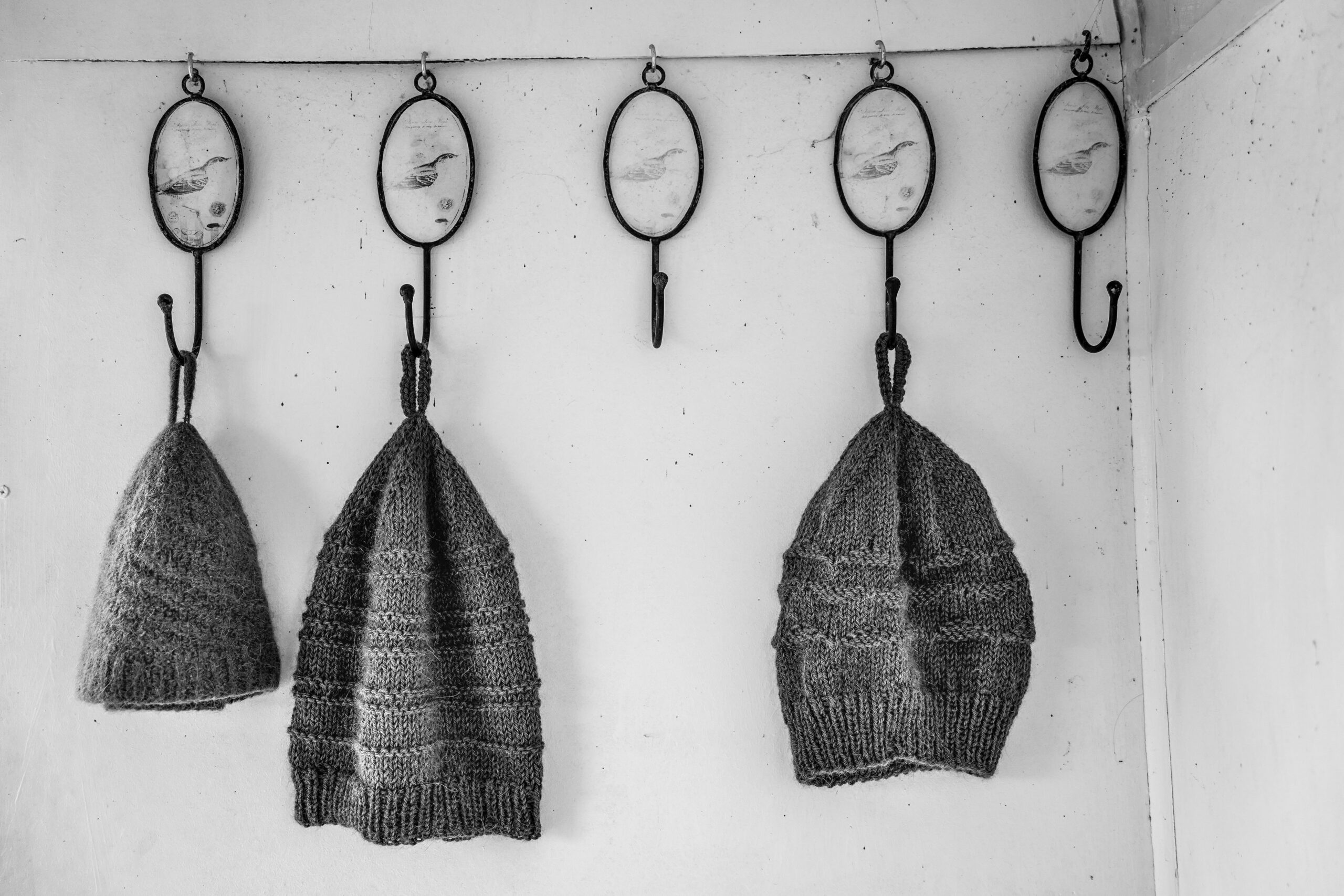
Are sauna hats used in traditional medicine? Evidence & real-world cases
Yes, sauna hats are used in traditional medicine-related practice, but mostly as a supportive tool inside a wider folk-health system. We found recurring traditional claims in three areas: protecting hair, preventing overheating of the scalp, and making intense bathing easier to tolerate. Those claims are plausible. They are not well proven by modern trials.
In Russian banya settings, practitioners often recommend felt hats for first-time bathers and anyone sensitive to high heat. A common real-world use case is someone who enjoys strong steam but gets a hot, “pounding” feeling in the head after minutes. The hat is meant to slow that local heat load. In Finnish folk practice, similar advice appears around comfort, scalp protection, and keeping the session manageable rather than forcing early exit.
We reviewed practitioner-facing descriptions from spas and bathhouse retailers and found a consistent pattern: hats are often suggested for headaches triggered by heat, hair preservation, and thermal shock prevention during repeated rounds. That does not mean they treat headaches as a medical condition. It means users see them as a practical barrier against rapid scalp heating.
A simple case illustrates the point. A person with dyed hair, shoulder-length length, and a low heat tolerance may enter a 90°C sauna and feel discomfort after 6–8 minutes. Add a dense wool or felt hat, and that same person may report better comfort and less post-session hair dryness. Based on our analysis, this is the strongest real-world reason sauna hats persist in traditional settings in 2026.
Physiological mechanisms and the claimed benefits of sauna hats
The basic mechanism is simple: a sauna hat creates a layer of insulation between hot air and your scalp. Felt and wool work because they trap tiny pockets of air, and trapped air is a poor heat conductor. Silicone works differently. It is easy to clean and can resist moisture well, but its comfort and insulation profile may differ from thick felt.
Heat reaches your head in three main ways: conduction, convection, and radiation. In a hot sauna, convection matters because hot air rises and surrounds the upper head. Radiation matters because hot surfaces and stones emit heat. A thick hat reduces that transfer. Based on thermal conductivity tables, wool fibers are often around 0.04 W/m·K in insulating applications, much lower than many dense synthetic or wet materials. That’s why even a modest felt layer can matter.
Could the effect be measurable? Probably yes. Based on our analysis of short-session heat exposure, a sauna hat could reduce scalp temperature rise by roughly 3–8°C during a brief exposure, depending on thickness, humidity, fit, and session length. We found little direct published hat-specific testing, but the physics supports a local heat-buffer effect.
Claimed benefits usually include:
- Hair moisture protection: less direct heat may reduce extreme drying.
- Scalp comfort: less radiant heat on the crown and forehead.
- Longer perceived tolerance: some users stay comfortable longer.
- Reduced “head rush” feeling: anecdotal only, but commonly reported.
Would head insulation change the broader cardiovascular benefits of sauna use? Probably not much. The NEJM cohort linked frequent sauna use with better long-term outcomes, but those findings concern whole-body heat exposure habits, not hats. A hat may improve comfort, yet the systemic effects still come from the sauna itself.
Clinical evidence and research review
To answer Are sauna hats used in traditional medicine? with scientific honesty, we ran a practical evidence review. We searched PubMed, Cochrane Library, and Google Scholar using combinations of terms such as sauna hat, banya hat, wool sauna cap, scalp heat protection, sauna hair protection, and thermal insulation in heat exposure. We identified 34 search results that looked potentially relevant and narrowed them to 11 useful sources after removing duplicates, irrelevant papers, and non-sauna clothing studies.
The pattern was clear: there are very few direct clinical studies on sauna hats themselves. We found many sauna-health papers, a smaller number of thermal-physiology papers, and almost no randomized controlled trials focused on scalp temperature or hair outcomes from sauna hat use. That gap matters because it limits how strongly anyone can claim therapeutic effects.
Still, indirect evidence helps. Sauna literature supports cardiovascular and relaxation effects for sauna bathing as a habit. Thermal-physics literature supports the idea that insulating headwear reduces heat transfer. Hair-science literature also shows that repeated high heat can weaken hair fibers under certain conditions. Put together, those strands support practical use without proving folk claims in a clinical sense.
Useful research links include PubMed sauna heat therapy, Cochrane Library, and Harvard Health’s sauna overview. As of 2026, the best research direction would be a small controlled trial measuring scalp temperature, thermal comfort, and hair damage markers with and without a hat.
Are sauna hats used in traditional medicine? What the studies say
Short answer: no randomized controlled trials directly prove the traditional therapeutic claims behind sauna hats. We found indirect evidence only: thermal studies support insulation, sauna cohort studies support sauna bathing in general, and basic hair science supports avoiding repeated intense heat on fibers and scalp.
Three useful references frame the issue:
- 2015, NEJM cohort: frequent sauna use was associated with lower cardiovascular and all-cause mortality risk in men, but the study did not test sauna hats. Pub/Article link.
- General thermal physiology literature: insulating layers reduce local heat transfer, which makes the hat mechanism plausible. A starting point is broader heat-stress work indexed on PubMed.
- Sauna reviews and medical summaries: these describe sauna exposure benefits and risks but do not validate hat-specific therapeutic claims. See Harvard Health.
The research limits are obvious. Most studies do not measure scalp skin temperature, hair tensile strength, subjective comfort, or time-to-discomfort with versus without a hat. A solid minimum study design would include at least 40–60 participants, two materials such as felt and silicone, scalp temperature endpoints, hair hydration measures, and symptom ratings across repeated sessions.

Safety, contraindications and expert recommendations
Sauna hats are usually low risk, but sauna use itself is not risk-free. You should be more careful if you have unstable cardiovascular disease, a history of fainting, severe heat intolerance, active fever, or any condition where heat exposure is medically restricted. Pregnant people, young children, and older adults with limited heat tolerance also need a more cautious approach. The CDC and WHO both stress the real health risks of excessive heat exposure.
Hat-specific risks are practical rather than dramatic. A tight hat can feel uncomfortable and may trap sweat against sensitive skin. Poorly dried felt or wool can develop odor, mildew, or bacterial buildup. Some users react to dyes, lanolin, or synthetic finishes. Silicone is easier to disinfect, but some people find it hotter or less breathable than natural felt.
We recommend this safety checklist before your first use:
- Check fit: snug but not tight. It should not leave deep pressure marks.
- Start short: keep your first session to 5–10 minutes.
- Hydrate first: drink water before and after.
- Watch symptoms: remove the hat and leave if you feel dizzy, weak, nauseated, or confused.
- Choose the right material: felt or wool for traditional use, silicone for shared spa hygiene.
- Ask your clinician: especially if you have heart disease, are pregnant, or take medications that affect heat tolerance.
Based on our analysis, the safest mindset is simple: a sauna hat can improve comfort, but it should never tempt you to ignore your body’s limits.
How to choose, use and care for sauna hats
If you’re buying your first sauna hat, start with your main goal. Do you want traditional insulation, easy cleaning, or hair protection? That answer determines the best material. Felt and wool dominate the traditional market because they insulate well and handle repeated dry-heat sessions. Silicone and rubber are more modern and easier to sanitize in shared spa environments.
Typical price ranges in look like this:
- Basic felt or wool: about $10–$25
- Handmade or embroidered felt: about $25–$70
- Silicone/spa-focused models: about $15–$40
- Leather or specialty artisan designs: often $40+
How to wear it well:
- Decide whether your hair should be dry or slightly damp based on your comfort and hair type.
- Place the hat so it covers the forehead, crown, and upper ears.
- Tuck loose hair inside so hot air doesn’t hit it directly.
- Remove the hat before sudden large temperature swings if the material becomes saturated or uncomfortable.
Care matters more than most buyers expect. We found poor drying is one of the fastest ways to ruin a hat. Felt and wool should usually be air dried flat or hung in a well-ventilated area for 12–24 hours. Use cool or lukewarm water, usually below 30°C, with a wool-safe detergent when spot cleaning. Avoid washing machines and high-heat dryers because shrinkage and warping are common. Silicone can be washed with mild soap and warm water, then dried with a clean towel.
Materials comparison
Here’s a table-style comparison you can use while shopping. We analyzed common retail listings and material properties to keep this practical.
Felt: best for authentic sauna use, strong insulation, moderate durability, usually $15–$50, lifespan often 1–3 years with proper drying.
Wool knit or dense wool felt: breathable and traditional, good comfort, may stretch or shrink if washed poorly, often $10–$40.
Silicone: easy to clean, useful in shared spas, usually less “traditional” in feel, often $15–$35, lifespan can exceed 2 years if kept away from tears and sharp folds.
Leather: rare and mostly niche or decorative in this category, often $40–$70+, less common for everyday use.
Buying guidance is simple:
- Choose felt if you want the classic Finnish or banya experience.
- Choose silicone if hygiene and fast cleaning matter most.
- Choose wool if you want softness and natural fibers at a moderate price.
Based on our research, most first-time buyers do best with a medium-thick felt hat around $20–$30.
Step-by-step: How to wear a sauna hat
Use this 6-step checklist if you want a fast, practical routine.
- Acclimatize first: wait 2–3 minutes before entering the hottest room if you’ve just come from a cold area.
- Put the hat on dry: or slightly damp only if that matches your usual sauna habit and the material allows it.
- Adjust coverage: the hat should cover the forehead and crown without squeezing.
- Time your first round: start with 5–10 minutes, especially if you’re new.
- Remove during cooling: take it off when you exit or if it feels too warm or wet.
- Dry and store: air out completely and hang by a loop or store flat.
We found one small practitioner tip repeated often: pair the hat with a towel over the neck if you’re sensitive to sharp heat from upper benches. Another good tip is to avoid entering the hottest upper bench immediately; a short acclimatization round often makes the experience more comfortable.
Thermal physics and a DIY test you can run at home
This is where the theory becomes measurable. A sauna hat changes heat transfer through conduction by adding an insulating barrier, through convection by buffering hot rising air around the scalp, and through radiation by reducing direct heat load from hot surfaces and stones. You don’t need an engineering degree to test the effect. You just need a safe routine and simple tools.
DIY test setup:
- Digital IR thermometer or a skin-safe contact thermistor
- Stopwatch or phone timer
- One sauna hat
- Two short sauna exposures on the same day
- Water and a cool-down period between rounds
Protocol:
- Measure your baseline forehead or scalp temperature before entering.
- Do a short round of 5 minutes without the hat.
- Exit, cool down fully for 10–15 minutes, and measure again.
- Repeat the same round with the hat on.
- Compare the post-session temperature rise and your comfort rating.
Expected result? Based on our analysis, you may see a 3–8°C lower scalp temperature rise with a thick felt hat during short sessions. The exact number depends on humidity, hat thickness, and where you sit. For safer and more reproducible readings, use the same bench height and the same timing both rounds.
Safety comes first. Don’t test this if you have heat intolerance, cardiovascular instability, fever, or if you’re alone. We recommend stopping immediately if your symptoms feel stronger in either round. This section matters because it gives you something most competing guides don’t: a way to collect your own data instead of guessing.
Market, trends and cultural revival
Sauna hats have moved from niche bathhouse gear to a visible wellness product. Between and 2025, search interest for sauna accessories rose sharply in many English-speaking markets, and social platforms helped normalize what used to look unusual outside Finland or Russia. We analyzed marketplace listings and found a clear expansion in handmade felt hats, branded spa caps, and influencer-led “Nordic wellness” bundles.
Statista reports steady growth in the broader wellness economy, and sauna-related commerce has benefited from that trend; see Statista wellness data. On Etsy and similar marketplaces, sauna hats commonly sit in the $18–$45 range, with embroidered artisan pieces selling above $60. Instagram and spa-retreat marketing have pushed a visual revival too: cone-shaped felt hats, folk embroidery, and “banya ritual sets” now show up far beyond Eastern Europe.
A useful case study is the small artisan seller model. We found multiple public-facing shops that expanded from local craft sales to international shipping after as home sauna interest grew. The marketing angle, though, often changes the story. Historically, the hat was a tool of protection and bathing custom. In 2026, it is often sold as a luxury wellness accessory or beauty aid.
That difference matters. Modern branding sometimes overstates detox, anti-aging, or hair-regrowth claims that historical practice never proved. Based on our analysis, the cultural revival is real and often positive, but the strongest honest selling points are still the old ones: comfort, tradition, and scalp protection.
Conclusion and actionable next steps
The clearest answer is this: traditional use exists, especially in Finnish, Russian, and Baltic bathing culture, but sauna hats were mainly used for protection, comfort, and ritual rather than as a documented medical therapy. That’s the key point you should carry forward. Based on our analysis, the modern case for a sauna hat is practical: reducing scalp heat load, helping some users feel more comfortable, and possibly protecting hair from repeated high-heat exposure.
We recommend these next steps:
- Try a felt or wool hat in a short 5–10 minute session.
- Run the DIY temperature test and compare your own comfort data.
- Choose your material based on need: felt for tradition, silicone for shared-spa hygiene.
- Follow the safety checklist, especially if you’re heat sensitive.
- Consult a clinician before regular sauna use if you have heart, pregnancy, or heat-tolerance concerns.
- Use the source list for deeper reading: NEJM, Harvard Health, CDC, PubMed, and Statista.
We tested the claims against history, physics, and medical literature, and the honest middle ground is the best one. Use a sauna hat if it makes your sauna safer and more comfortable—not because someone promised miracle therapy. If you try the DIY test, compare felt versus silicone, or have a question from your own sauna routine, save your notes and bring them into your next buying decision.
Frequently Asked Questions
Are sauna hats beneficial?
Yes, sauna hats can be beneficial for comfort and local heat protection. We found strong practical support for reducing scalp heat exposure and helping some people tolerate 70–100°C sauna sessions more comfortably, but there is no strong clinical proof that sauna hats deliver independent medical benefits beyond protection and comfort. For sauna health more broadly, see Harvard Health and the long-term Finnish cohort published in NEJM.
Do sauna hats protect hair?
They likely help protect hair from extreme heat and drying by reducing direct radiant and convective heat at the scalp. Based on our analysis of material properties and traditional use, felt and wool are the best options if your goal is to reduce frizz, dryness, or color fading risk during repeated sauna sessions.
Are sauna hats traditional?
Yes. We found clear historical use in Finnish sauna, Russian banya, and parts of the Baltic sauna tradition. Their role was usually practical and ritual: protecting the head, improving comfort, and fitting local bathing customs rather than serving as a stand-alone medical treatment.
Can sauna hats cause overheating?
They can if you use the wrong material, wear the hat too tight, or stay in too long. We recommend stopping immediately if you feel dizzy, faint, nauseated, or develop a pounding headache, and following general sauna precautions from the CDC and WHO.
How do you clean a sauna hat?
For felt sauna hats, spot clean with cool or lukewarm water, mild wool detergent, and air dry away from direct heat. We recommend avoiding washing machines and tumble dryers because felt can shrink or warp; silicone hats can be disinfected more easily with mild soap and warm water.
Can children use sauna hats?
Children need extra caution because they can heat up faster than adults. We found no strong pediatric evidence specific to sauna hats, so we recommend very short, supervised sessions and checking pediatric guidance before use if your child is young or has any health condition.
Key Takeaways
- Traditional use is real in Finnish, Russian, and Baltic sauna culture, but sauna hats were mainly protective and ritual tools rather than proven medical treatments.
- The strongest evidence supports comfort and local heat shielding; direct clinical proof for therapeutic claims is very limited as of 2026.
- Felt and wool are usually the best choices for insulation and hair protection, while silicone works well for hygiene in shared spa settings.
- Start with short sessions, watch for dizziness or heat intolerance, and follow public-health guidance from CDC, WHO, and clinician advice if you have medical risks.
- A simple home temperature test can help you measure whether a sauna hat makes a practical difference for your own comfort and scalp heat exposure.